[Maryland · PJM]
Maryland battery storage land leasing for commercial property owners
Battery developers are competing to lease 10–15k ft² of land in PJM territory for battery energy storage system (BESS) projects. Get a long-term lease with no CapEx and let Lumen run the competitive bid.
$60K–$105K
25-yr lease
$0
Trusted by the world's leading real estate owners







[If you know tenant leases…]
Create a new ground lease tenant for your property
Set up a new tenant for your property with a long-term ground lease—typically a 25-year agreement.
Rooftop solar lease
< $0.38
-$1.03
Panels on the roof you already have.

Battery ground lease
$6-7/
A corner of land you aren’t using.


[The basics]
What is battery energy storage?
Lumen is the #1 community solar brokerage platform built for CRE owners. Our expert advisors guide you through every step — running competitive solicitations across our marketplace of pre-vetted developers, normalizing bids so you're comparing apples to apples, and advising on lease terms so you can transact with confidence.

Big batteries, small footprint
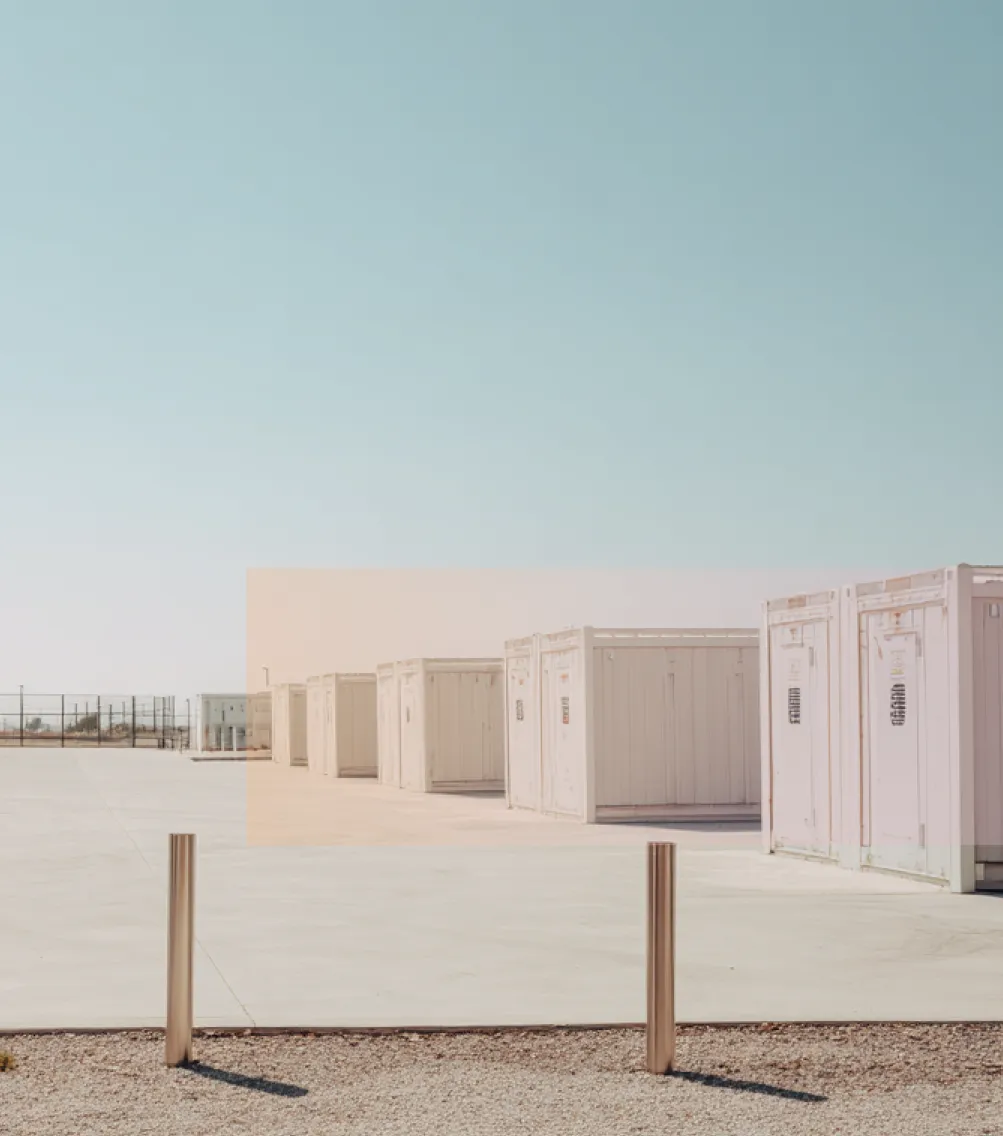
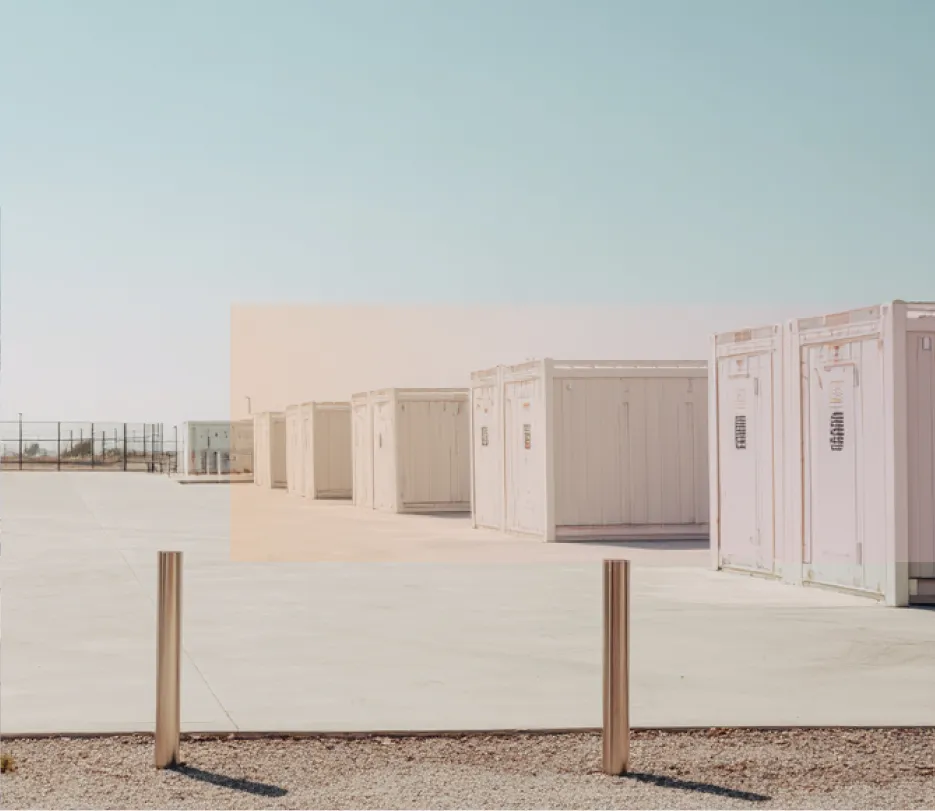
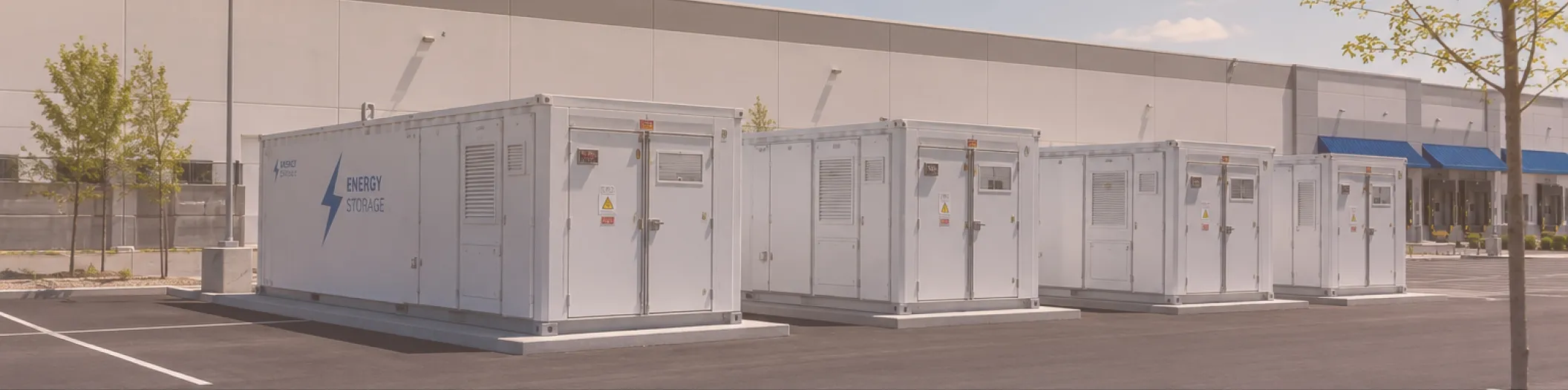
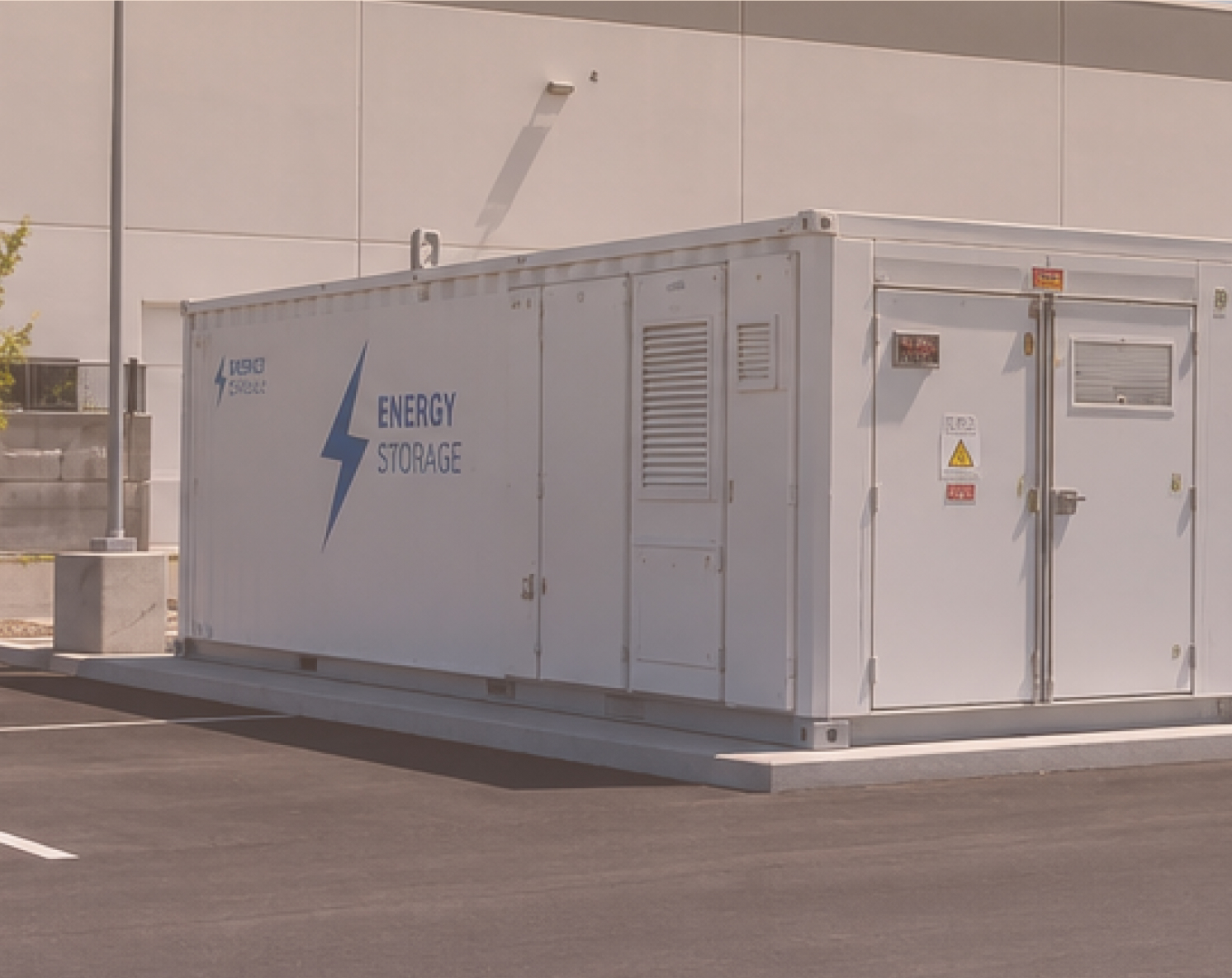
Weatherproof battery cabinets on a fenced and screened utility area 10,000–15,000 square feet corner of your property.

They buy and sell power for the grid
The batteries charge when electricity is cheap and discharge when the grid needs it most. The developer buys and sells the power from and to the grid and pays you rent for the land.

Third-party built + operated
A professional developer designs, permits, builds, finances, insures, and operates the system at their sole cost for 25+ years. You lease your land and collect rent.
[The offer]
Get paid for land you aren’t using
Indicative terms based on current ComEd-market developer offers (2026). Final terms are set per site through competitive bidding.

$60K-$105K
per year for 10,000–15,000 ft², escalating 2% annually*
Over the term
$3M+ illustrative total rent over a 25-year term for a typical 5 MW site.*
Your cost
$0. The developer funds construction, insurance, taxes on the system, operations, and removal, plus any property-tax increase the system causes.
Ownership
You keep ownership of the land with full removal and site restoration at the end of lease. Rent increases 2%/yr, contractually fixed.
The competitive marketplace gets you the best deal
Lumen isn't a battery developer. We run the marketplace. We take every site to a competitive bid across vetted developers, and we've built a proprietary dataset on what land is actually worth to a battery project. You pay $0; Lumen is paid by the winning developer, and only if a project is built.
5+
vetted developers bid on every Lumen site
Up to 4.3x
spread between the lowest and highest bid on the same site
Pre-screened
we check PJM / distribution-utility capacity for you
100%
you review every bid and keep 100% of the lease
[On your property]
What does an installed site look like?
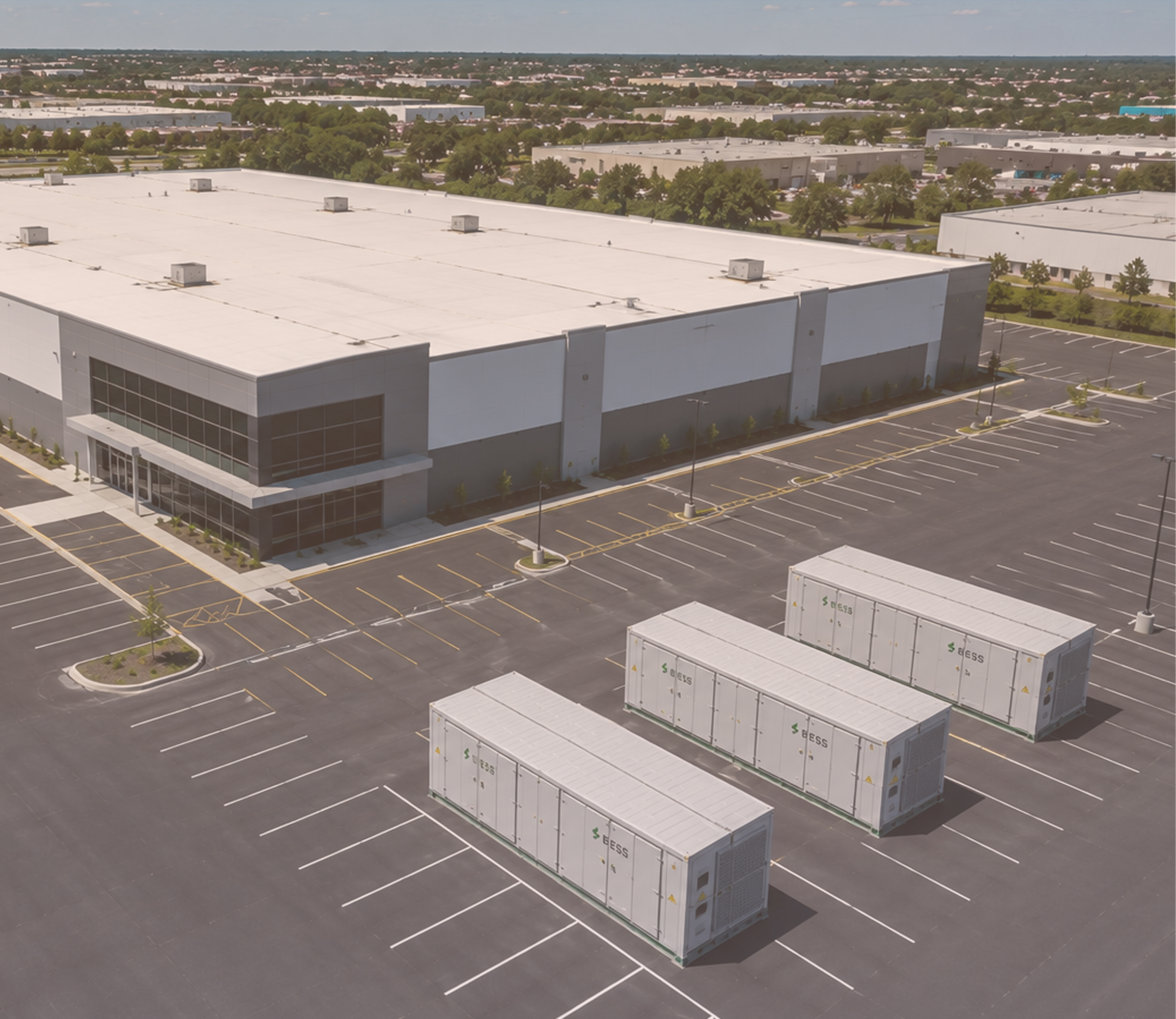

Low profile — cabinets about 8 ft tall, the profile of a shipping container.
Designed for low noise impact — indicative sound levels are comparable to commercial HVAC equipment at the fence line; site-specific acoustic data provided during qualification.
Minimal routine site traffic — no routine on-site combustion emissions during normal operation, no staff on site; monitored remotely 24/7.
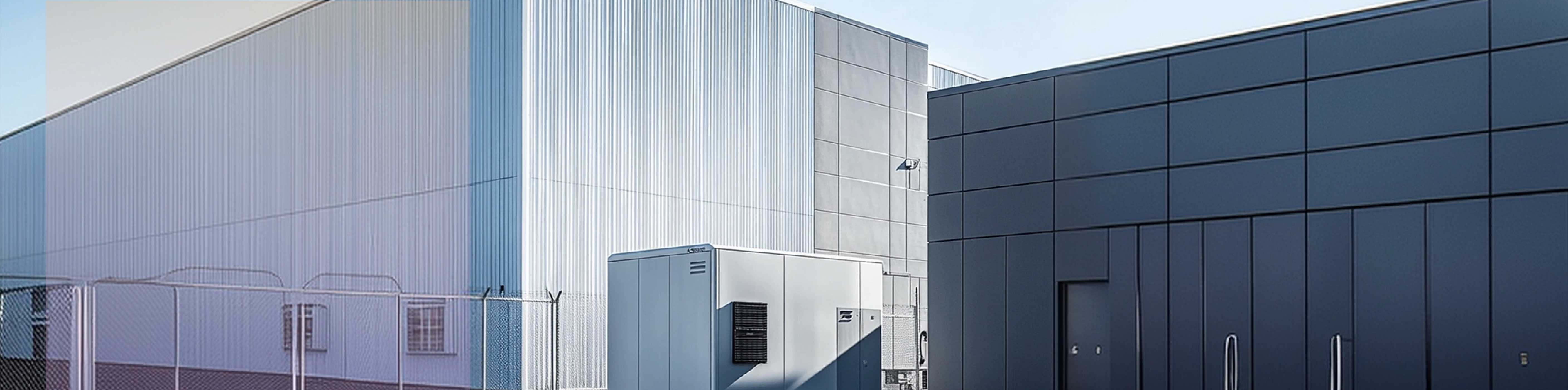
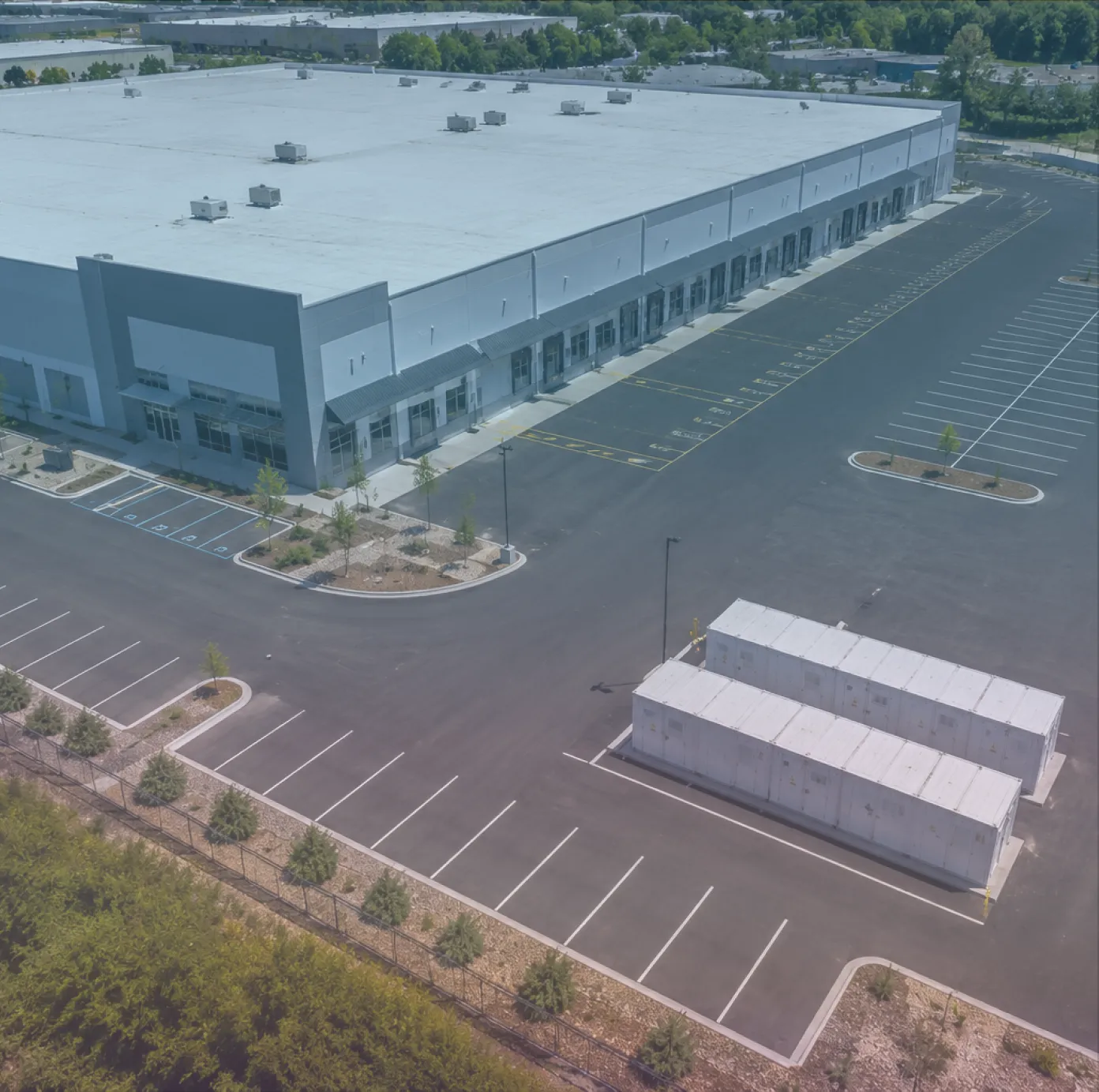
Secure + screened — fenced, landscaped, set back from sensitive areas on a concrete pad.
Fully removable — developer removes everything and restores the site at end of lease.
[Battery safety]
What the standards show
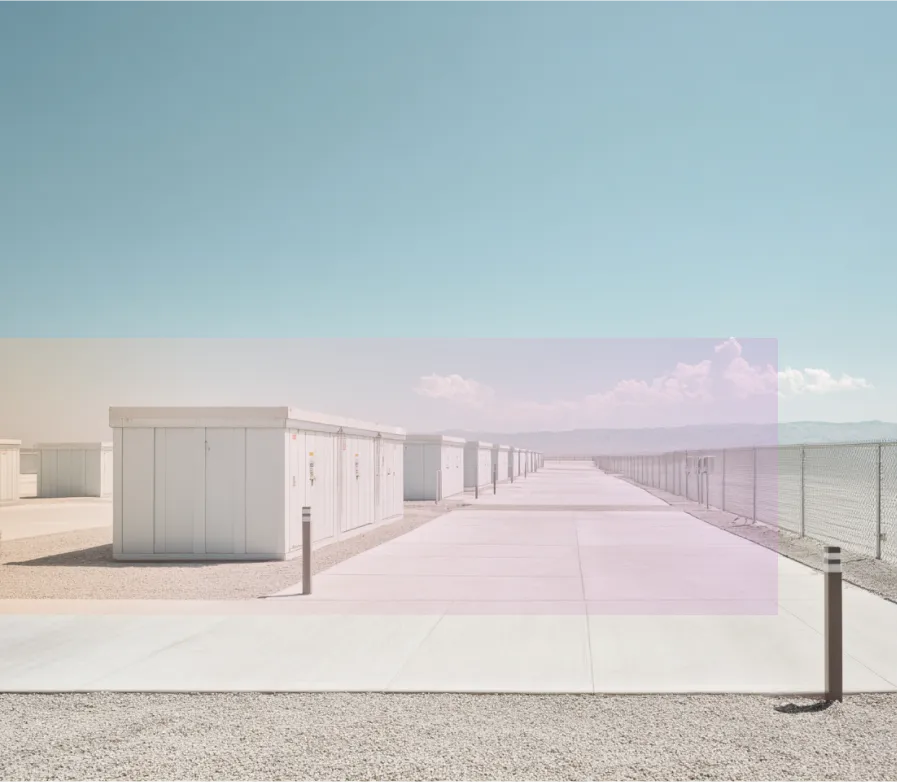
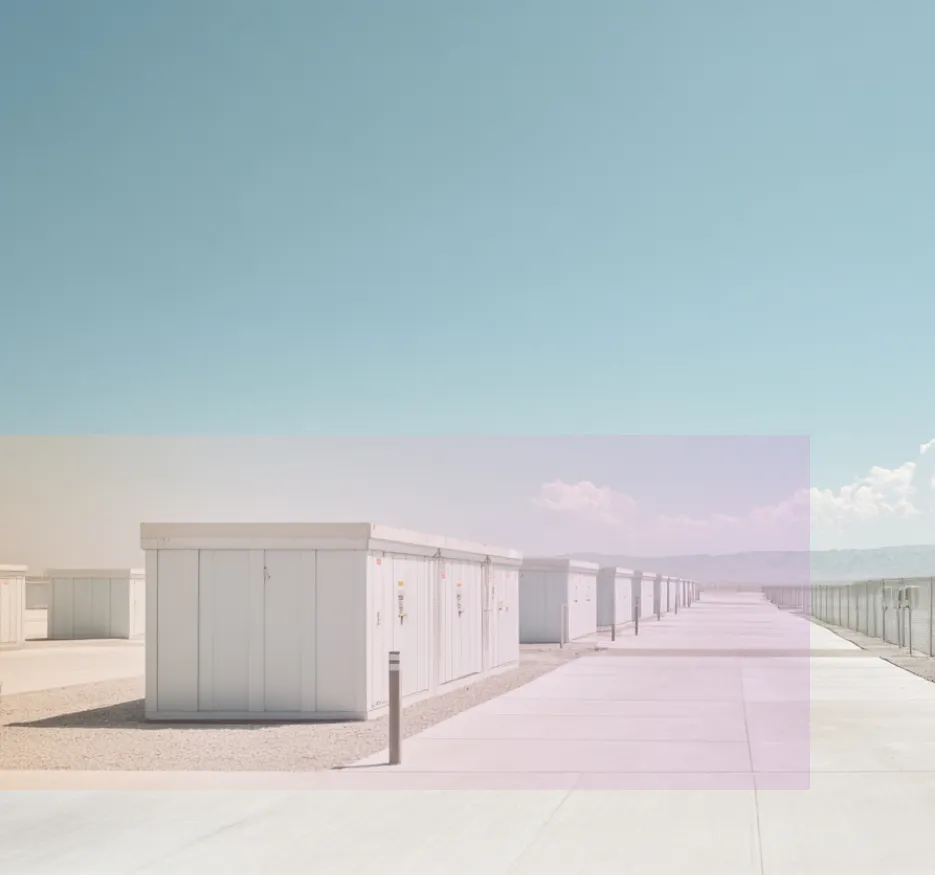
Subject to modern fire and electrical safety standards, including NFPA 855 and UL testing requirements where applicable. NFPA 855 governs siting, spacing, detection, suppression, and emergency response, and explicitly references UL 9540A — the national test method used to assess thermal-runaway propagation.
Permitted through the local authority having jurisdiction. Developers work with the local authority having jurisdiction and fire department through permitting, and requirements vary by site and jurisdiction.
Sources: SEIA BESS Safety Factsheet (Apr 2026) · EPRI BESS Failure Incident Database · Cleanview US project tracker (Jun 2026) · Fire + Risk Alliance for American Clean Power · NFPA 855 (2026 ed.) · UL9540 / 9540A
[Qualification]
Does your property qualify?
Six things developers look for. You don’t need to answer these yourself — Lumen screens your portfolio for free.

10,000+ ft² of excess space
Underused land, yard, or low-value parking; industrial + commercial sites are ideal.

PJM territory
Maryland properties served by BGE, Pepco, Delmarva Power, Potomac Edison or SMECO.

You control the land
Owned outright or on a long-term ground lease; a 25-year lease needs clean title.

Distance from neighbors
≥150 ft from homes, schools, and hospitals; ≥50 ft from property lines and public road right-of-way — or as local ordinance requires.

Buildable area
Outside wetlands and floodplains, with road access for construction.

Grid capacity nearby
the make-or-break factor; Lumen pre-screens with PJM / distribution-utility capacity data.
[Market timing]
Why battery developers are looking for Maryland sites now
Maryland's 2025 Next Generation Energy Act (NGEA) directs the Public Service Commission to procure energy storage. The segment this page covers is the 150 MW of distribution-connected storage. Distribution-connected FTM projects earn from that procurement plus PJM market revenue, with capacity auctions clearing at record highs.
NGEA 150 MW distribution-connected procurement
Maryland's 2025 Next Generation Energy Act directs the PSC to procure energy storage, including 150 MW of distribution-connected storage — the segment your property would serve.
MESP statewide targets
The Maryland Energy Storage Program (2023) sets statewide storage targets of 750 / 1,500 / 3,000 MW, putting a target behind the buildout.
Record PJM capacity prices
PJM capacity auctions have cleared at record highs of roughly $329–$333/MW-day, and that capacity revenue stacks with energy-market revenue.
Rising grid demand
Growing electricity demand makes grid-serving batteries more valuable and Maryland sites more sought-after.
Federal Clean Electricity Investment Credit (§48E)
Qualifying standalone storage placed in service after Dec 31, 2024 may qualify for the federal credit — a 6% base credit, increased up to 30% when prevailing-wage and apprenticeship requirements are met — lowering project cost. Full credit available for projects that begin construction by the end of 2033.
Distribution interconnection capacity
Available capacity on the local distribution grid is limited and available on a first come, first served basis.
[Process + timing]
How the process works
[1–2 weeks]
Site screen
We screen your portfolio for potential sites; no cost, no commitment.
[~4 weeks to award]
Bids
Vetted developers compete for the opportunity to lease your sites.
[~2–3 months]
Lease + option
Sign with the winning developer.
[6–12 months]
Interconnection + permitting
Developer finishes interconnection and permitting.
[4–6 months]
Operation
Construction completes, then rent payments start.
Commercial properties throughout PJM's Maryland service territory
Where hosting-capacity data is strongest, industrial and commercial properties with excess land are ideal candidates.
[FAQ]
Maryland battery storage leasing, answered
You lease a fenced 10,000–15,000 ft² corner of your property to a battery developer. The developer designs, permits, builds, finances, insures, and operates the battery at their sole cost for 25+ years. The batteries charge when power is cheap and discharge when the grid needs it; the developer earns grid revenue and pays you rent for the land. It's the same concept as a rooftop solar lease, but a ground lease at a far higher rate per square foot.
Offers track what a battery can earn at your site — the capacity your land can host, what that capacity earns in your market, and what it costs to build there, with interconnection the biggest swing factor. Every site goes to competitive bid, and offers on the same site have come in as much as 4.3x apart.
The Next Generation Energy Act includes a 150 MW distribution-connected storage procurement, and PJM adds energy and capacity revenue at record prices on top.
A typical project uses a fenced 10,000–15,000 ft² corner of underused land, yard, or low-value parking, and delivers roughly 5 MW / 20 MWh. The batteries are one or two rows of weatherproof cabinets about 8 feet tall — the footprint of shipping containers on a concrete pad.
The batteries are low-profile cabinets about 8 feet tall, fenced, landscaped, and set back from sensitive areas on a concrete pad. They're designed for low noise impact — comparable to commercial HVAC equipment at the fence line — with no routine on-site combustion emissions during normal operation, minimal routine site traffic, and no staff on site; the system is monitored remotely 24/7. Everything is fully removable and the site is restored at the end of lease at the developer's cost.
Battery energy storage is deployed under modern fire and electrical safety standards. Projects are subject to NFPA 855, which governs siting, spacing, detection, suppression, and emergency response, and explicitly references UL 9540A large-scale fire testing as required evidence in permitting. Developers work with the local authority having jurisdiction and fire department through permitting, and requirements vary by site and jurisdiction.
Developers look for six things: the site is in PJM territory (BGE, Pepco, Delmarva Power, Potomac Edison or SMECO); it has 10,000+ ft² of excess space; you control the land (owned or on a long-term lease with clean title); it's roughly 150+ ft from homes, schools, and hospitals and at least 50 feet from all property lines or edge of public road right-of-way (or per municipal ordinance); it's outside wetlands and floodplains with road access; and there's grid capacity nearby — the make-or-break factor. You don't need to answer these yourself; Lumen screens your portfolio for free.
Development typically takes 1–2+ years from lease signing to the first rent check, because permitting and grid interconnection take time. Non-refundable option payments (illustratively about $10,000 in each of the first two 180-day periods for a 5 MW site) bridge the gap — you keep every payment even if a project is never built. Full annual rent (illustratively about $100,000/yr*) begins when the system goes live.
Your cost is $0 — the developer funds construction, insurance, taxes on the system, operations, and removal, and pays any property-tax increase caused by the system. Lumen is paid by the winning developer, and only if a project is built.
The lease runs with the land, not with you personally, so it transfers to a new owner along with the property. Lenders reviewing a refinance or sale will see the lease as a fixed, escalating income stream tied to the parcel; your team and Lumen will work through any disclosure or estoppel documents the buyer or lender needs.
It can — the developer, not you, is contractually responsible for any increase in property taxes caused by the system, and that's built into the lease. Actual tax treatment depends on your local assessor and county, so we recommend confirming specifics with your tax advisor once a site is under review.
If your property is financed, most mortgages and deeds of trust require lender consent (or at least notice) before signing a long-term ground lease. We recommend looping in your lender early; Lumen and the developer can provide the lease terms and site plan needed for that review.
Requirements vary by municipality — some jurisdictions permit battery storage as-of-right in industrial or commercial zones, while others require a special use permit or zoning text amendment. The developer leads zoning and entitlement work with the local authority having jurisdiction as part of permitting.
The developer does. At the end of the lease term, the developer is responsible for removing all equipment and restoring the site at their sole cost — this is a standard lease obligation, not something billed back to you.
You keep every option payment made up to that point regardless of whether construction happens — they're non-refundable. If permitting, interconnection, or economics don't pan out and the developer walks away, the lease/option terminates and you're free to re-lease or otherwise use the land.
Often, yes. Low-utilization or excess parking is a common site type, alongside yard space and other underused land — the main requirements are the 10,000–15,000 ft² footprint, road access for construction, and adequate distance from sensitive uses. Lumen's free site screen will confirm whether a parking area on your property is a fit.
[Get started]
Let’s find out what your land is worth
[01]
Share your property list. Addresses are all we need to get started.
[02]
We screen it — free. Land fit, grid capacity, and market check. No commitment, no cost.
[03]
Review real offers. Pick your sites and see competitive developer bids within weeks.
*Lease rates based on ground battery leases contracted in 2026 in comparable areas.