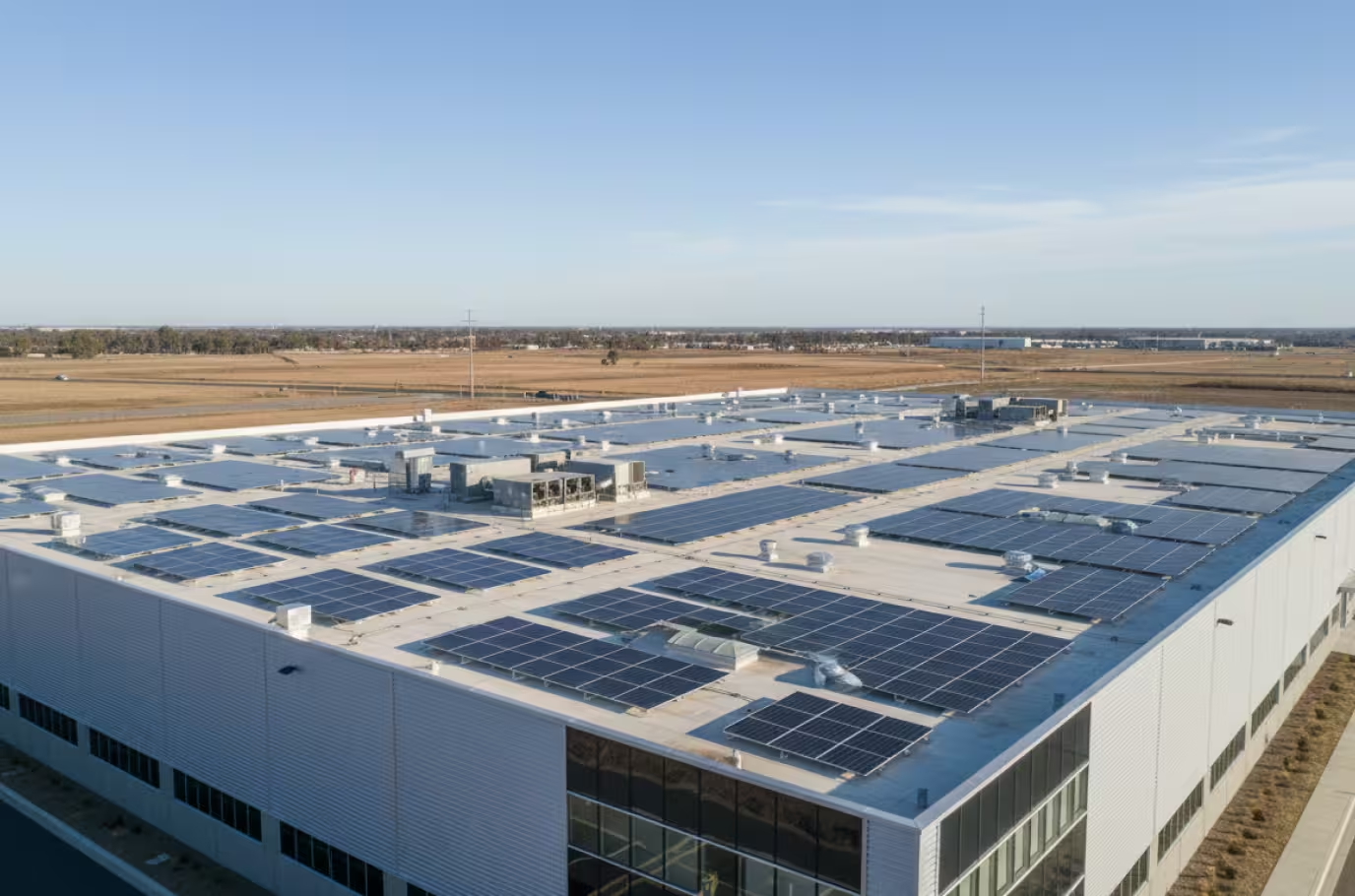
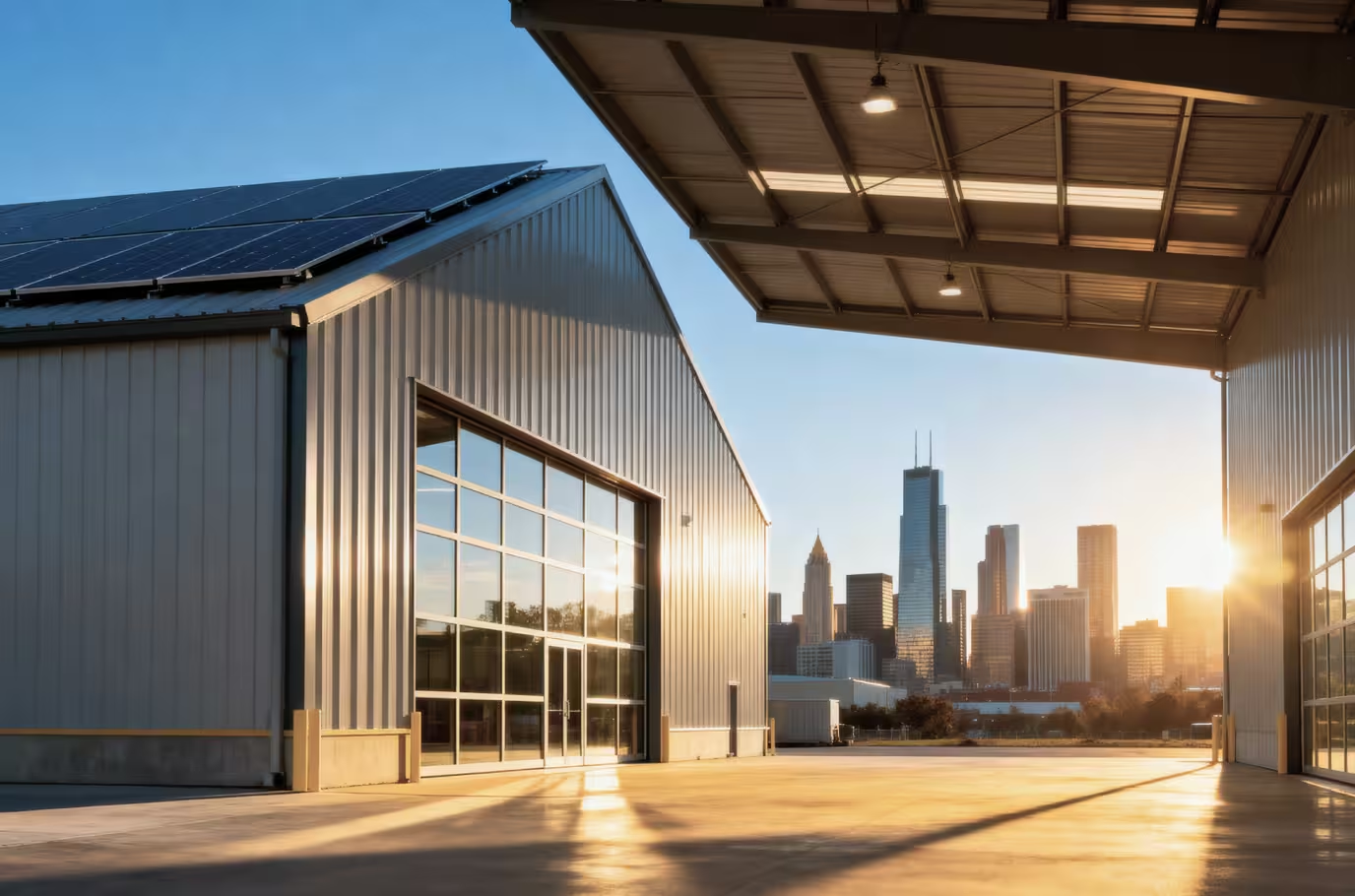
Is your roof the right age for solar? In this video, Bart Frischknecht from Lumen Energy explains how you can successfully lease your commercial rooftop to solar developers no matter how old it is. He breaks down how new, midlife, and older commercial roofs impact solar feasibility—and what your options are in each scenario.
For commercial real estate owners, roof age is one of the most common concerns when evaluating solar. The reality: most roofs can work—you just need the right structure and approach.
What you’ll learn:
1. Whether new roofs are ideal for solar
2. How older roofs can still qualify
3. What to do with midlife roofs
4. How roof warranties and solar leases align
5. Options for extending roof life or structuring leases
Transcript

Have you been curious about putting solar on your roof but are worried that your roof is not the right age for it? Let’s talk about it.
Let’s look at three scenarios: new roofs, old roofs, and midlife roofs.
If you have a new roof—installed within the last one to five years—it’s a great candidate for solar. The roof warranty is likely around 20 years, and the solar lease is typically about 20 years as well. These timelines align well, and even if the solar term extends slightly beyond the warranty, you’re still in a strong position.
If you have an older roof, it can still be a great candidate for solar. It typically takes one to two years from initial discussions to installation, so your roof may be replaced before the solar system is ready to go in place.
If not, you have a few options. You can bring forward the capital to replace the roof sooner and evaluate whether the combined investment makes sense. Alternatively, you can have a contractor perform preventative maintenance, upgrades, or enhancements that extend the life of the roof and provide an updated warranty that aligns with the solar lease term.
For midlife roofs, there are additional options. One approach is to negotiate a shorter lease term. While developers prefer 20–25 year leases, they will often agree to a 15-year term. The lease rate may be lower, but it can still be a strong option.
Another option is to work with the roof manufacturer or installer to extend the roof warranty. This can sometimes be expensive, but it may be worthwhile depending on your situation.
You can also consider roof upgrades, such as applying a seal coat. These improvements can significantly extend the life of the roof and often come with a warranty that aligns with the solar project timeline.
Finally, you can structure your solar lease to account for a future roof replacement. This is typically done in one of two ways.
One option is to accept a lower lease rate in exchange for the ability to have the solar developer remove and reinstall the system at their expense when the roof needs to be replaced.
Another option is to negotiate a lease structure with a defined schedule, so you know how lease payments will change if and when you choose to replace the roof.
The key takeaway is that there are viable options for new roofs, old roofs, and midlife roofs. In most cases, you can still move forward with solar.