Lumen Energy's CEO, Peter Light, illuminates us all on how much money can be made with a solar lease on a commercial rooftop. (Spoiler? It can be a lot.)
What you’ll learn:
1. How much commercial buildings can earn from rooftop solarWhat factors determine solar revenue potentialReal examples of solar lease deals and outcomes
2. How competitive bidding impacts pricingWhen solar meaningfully increases property value
Transcript

Hey everyone, my name is Peter Light at Lumen Energy, and today we’re going to talk about a common question: how much can my building make? Does community solar rooftop leasing make sense for me and my buildings?
The answer really depends on a number of factors related to your specific assets. For some buildings, the answer is zero—it doesn’t make sense and the numbers simply don’t work. But for others, the numbers can be quite material and meaningfully accretive to the value of your property.
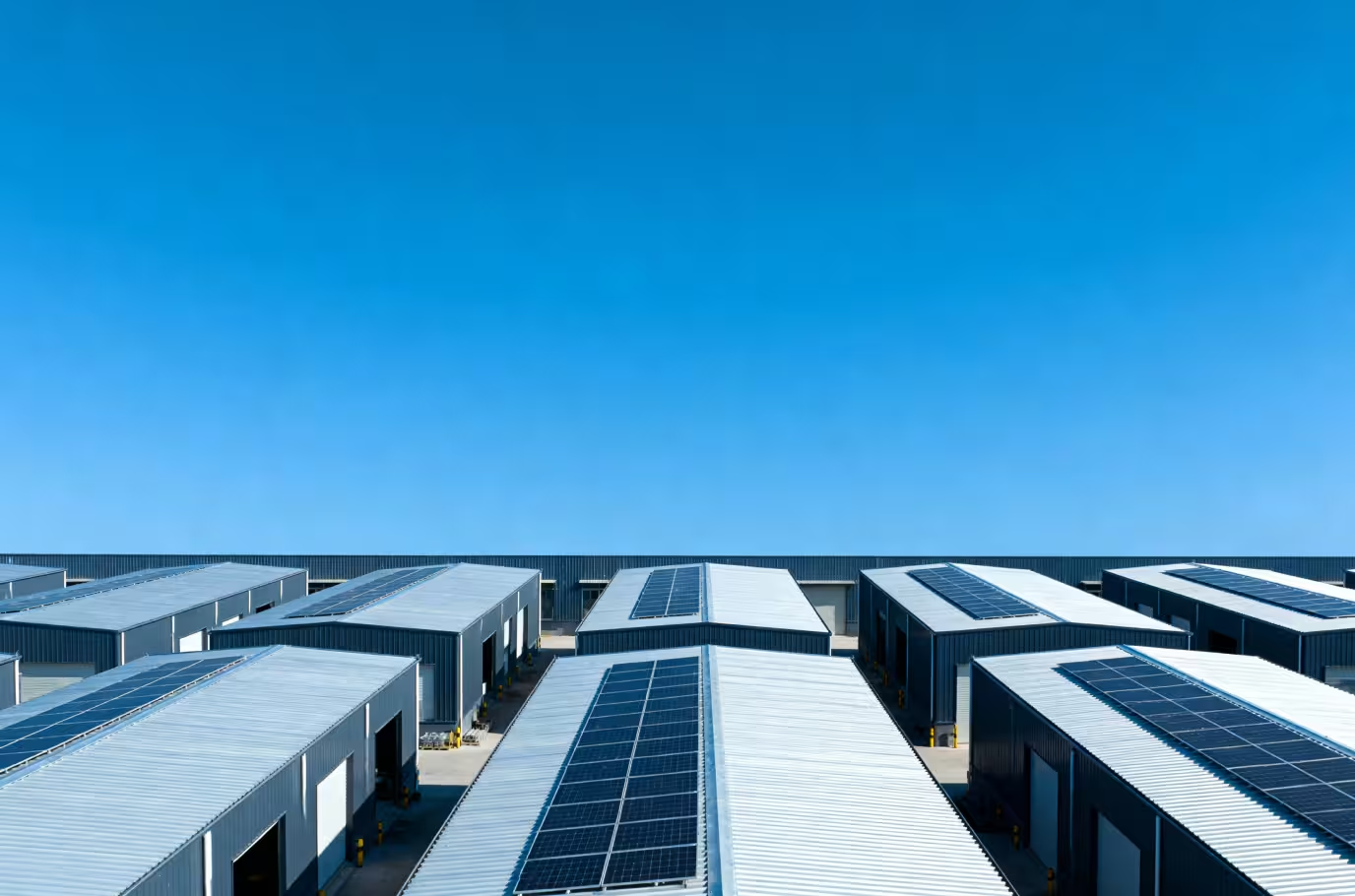
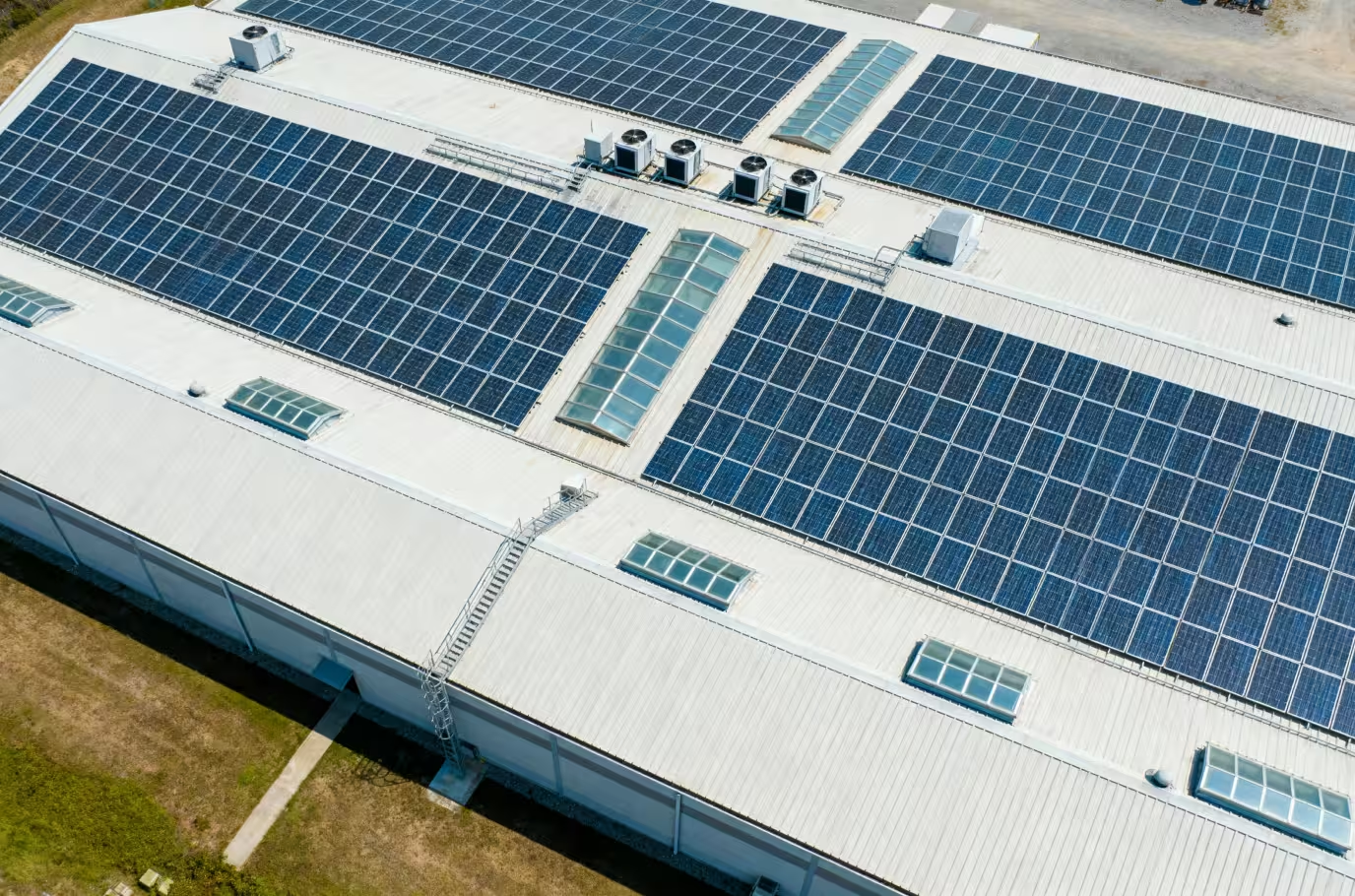
In certain markets—such as New Jersey, Maryland, Illinois, and Pennsylvania—a 100,000-square-foot building can generate anywhere from $70,000 to $250,000 per year, with zero capital outlay from the building owner. In this model, a third-party developer rents your roof and pays you new rental income.
Let me give you a few examples that have actually transacted on our platform.
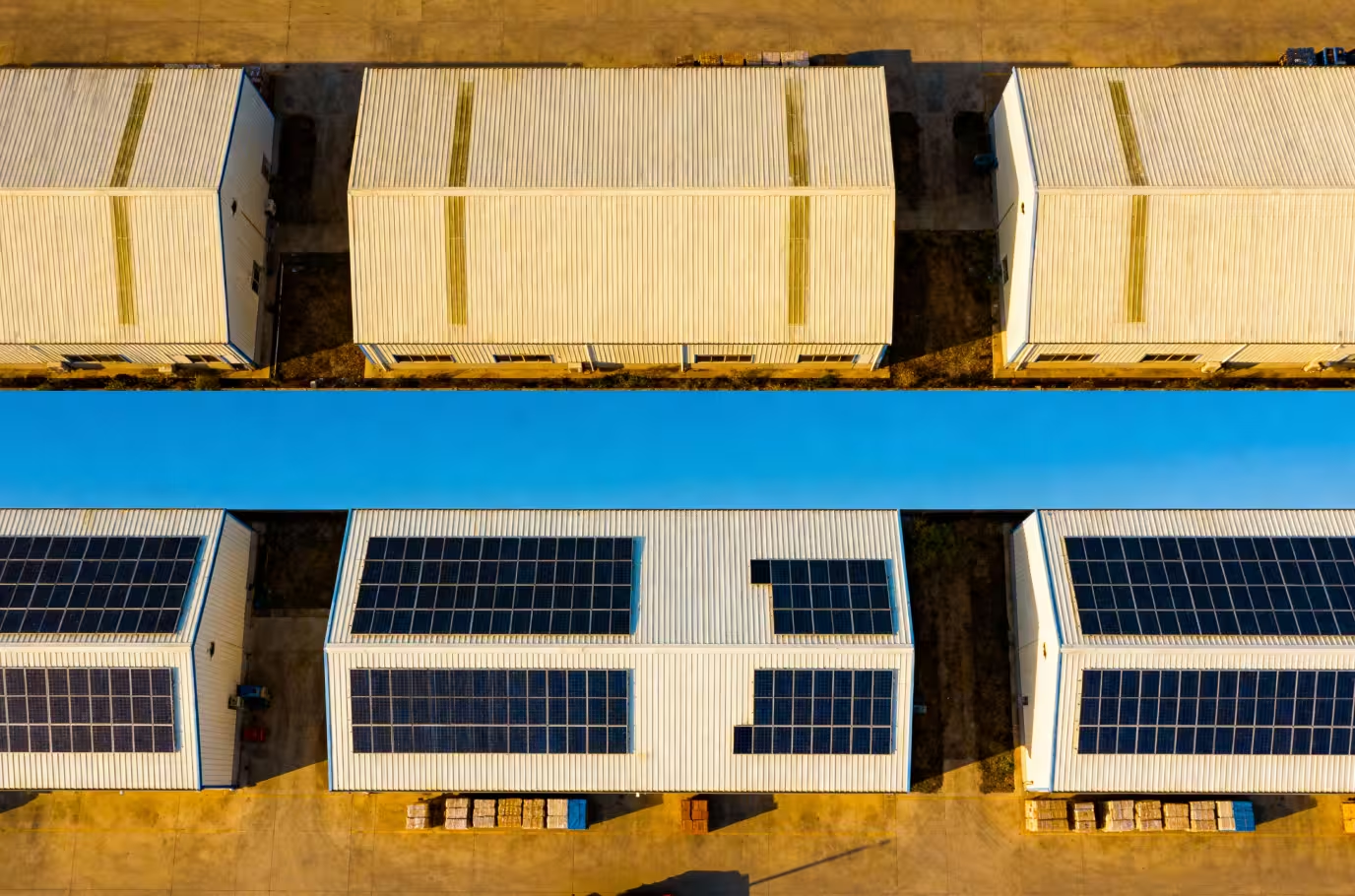
First, a 300,000-square-foot industrial building in New Jersey. The asset manager had received a proposal from a qualified solar developer for $55,000 per year. They then came to Lumen Energy, where we ran a structured competitive process. We received nine bids ranging from $55,000 all the way up to $429,000 per year. The project has now been signed, adding roughly $6–8 million in new property value to an $80–100 million industrial asset. That’s quite material.
Another example is a group of 13 industrial properties in Illinois, which generated $1.7 million in net new income. That revenue wasn’t included in the original underwriting of the fund, making it a significant unexpected gain at the end of the year.
A third example is an assisted living facility in Maryland. The property had a large parking area that is now being covered with solar canopies, providing both shade for the parking lot and $180,000 per year in new income.
These aren’t hypothetical ideas. They are real transactions that have happened on our platform as the result of a highly structured competitive process. We help extract the best value from qualified developers and guide you through the entire transaction—from an initial offer in a PDF all the way to a signed lease you can rely on.