In this video, Charlotte Schmidlapp from Lumen Energy breaks down three common options: cash purchase, power purchase agreements (PPAs), and community solar.
For commercial real estate owners, choosing the right financing structure depends on your risk tolerance, capital availability, and long-term energy strategy. Each option offers a different balance of returns, risk, and operational involvement.
What you’ll learn:
1. The differences between cash purchase, PPA, and community solarWhich solar financing option has the highest return
2. How risk varies across different structures
3. When to choose a capital-light approach
4. How solar can reduce energy costs or generate lease income
Transcript

How do I choose a financing structure for onsite solar and storage energy? I'm Charlotte Schmidlapp from Lumen Energy and I wanted to share my perspective. There's three options I'm gonna talk about today. One is a cash purchase, two is a power purchase agreement, and three is called community solar.
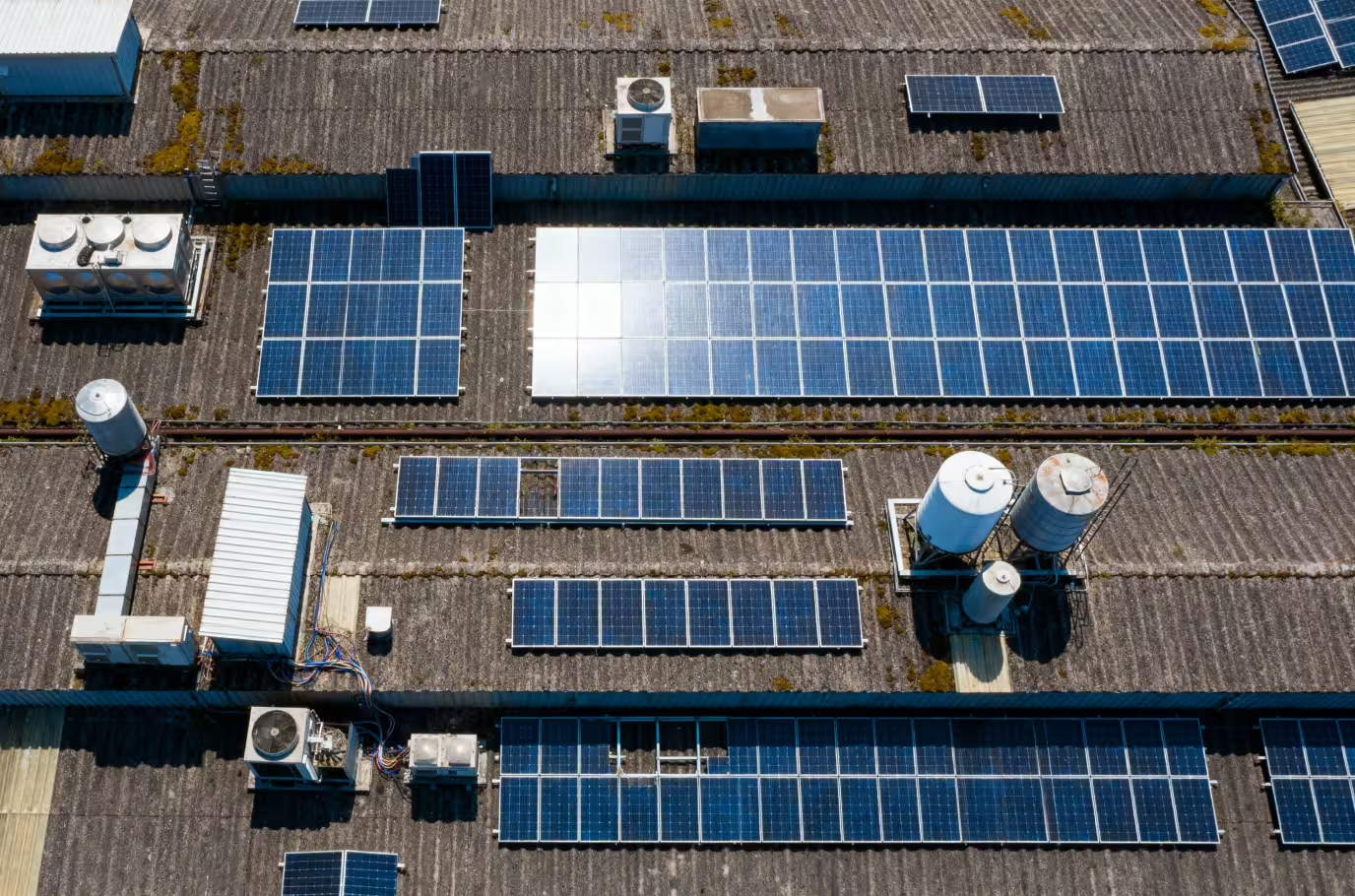
Number one for cash purchase involves exactly what it sounds like using cash from your balance sheet to develop and install and own and operate a solar system on your property. Your return on this investment will be realized through the energy savings produced by the solar system, as the system would be installed behind your meter and would offset your energy usage.
This is the highest returning but also highest risk option, and so if you have capital available to deploy, this is a great option to consider for your portfolio. The second and third options are more capital light, which is one, a power purchase agreement and two community solar. These are what we call third-party developed and finance systems.
And the power purchase agreement option, a developer on Lumen's network would develop the solar system on your site. In exchange, they would sign two contracts. One, a power purchase agreement where you would agree to purchase the power from that system at a fixed rate for a number of years, typically 20 to 25 years.
You'd also sign a lease agreement with them to lease your space in order to site the system. Typically, this lease rate is much lower as most of the savings, most of the value generated by the system is gonna be coming through your energy savings. This is a great option if you don't wanna take on the risk of development and owning a system, but you still want to hedge against rising electricity costs and offset your power usage with a solar system.
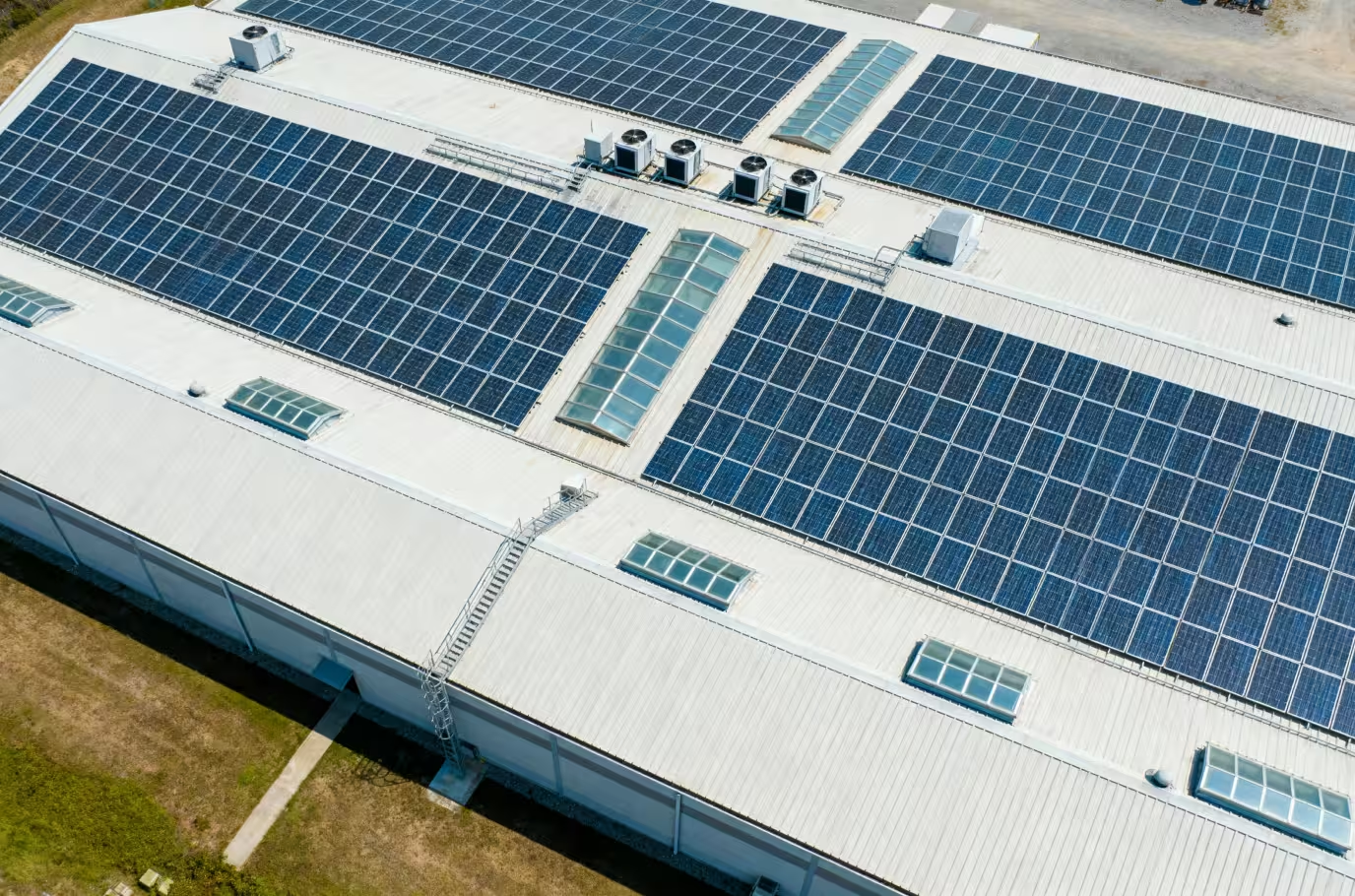
A third option is community solar. Community solar is the least risk, lowest cost option. You don't consume the power from the system. The power from the system that's developed typically on rooftops is sold back to the utility and to subscribers within the community. Instead, you're compensated through a lease payment to site that system on your rooftop.
This is a great option in states where programs are available for community solar. This is a great option in states where there are lucrative programs for community solar.
If you wanna learn more and evaluate your properties for what the returns are at the site level for these different financing options and receive a custom analysis, visit lumen.energy.
Thank you.